
Kenya’s Instagram feed is full of great safari destinations such as the Mara, balloon sunrises over the migration, and Amboseli elephants framed by Kilimanjaro. Those places are magnificent, but they are also busy. The real magic of Kenya lies in the quieter corners: vast landscapes you can have almost to yourself, living cultures that still shape daily life, and wildlife encounters that you have to have patience for. At Adventure Expeditions, we specialise in exactly these places. Here are some of our favourites…
Tsavo
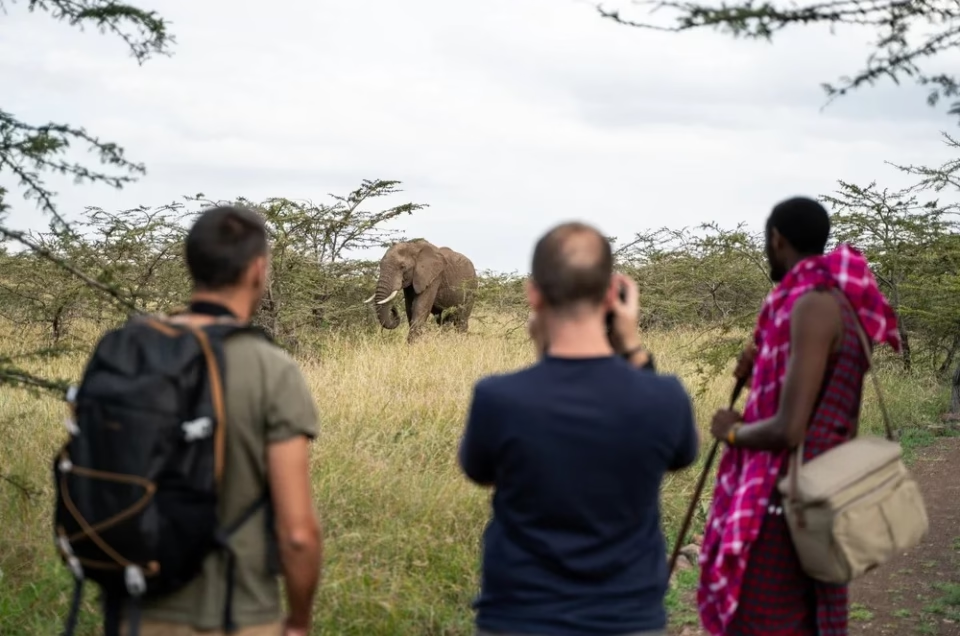
Tsavo East and West together form one of Africa’s largest protected areas. Their scale is the attraction. You can drive for hours without seeing another vehicle. The region is famed for its red-dusted elephants, maneless lions moving through thornbush, and the scenery shifts from open plains and baobabs to lava flows, springs and volcanic hills.
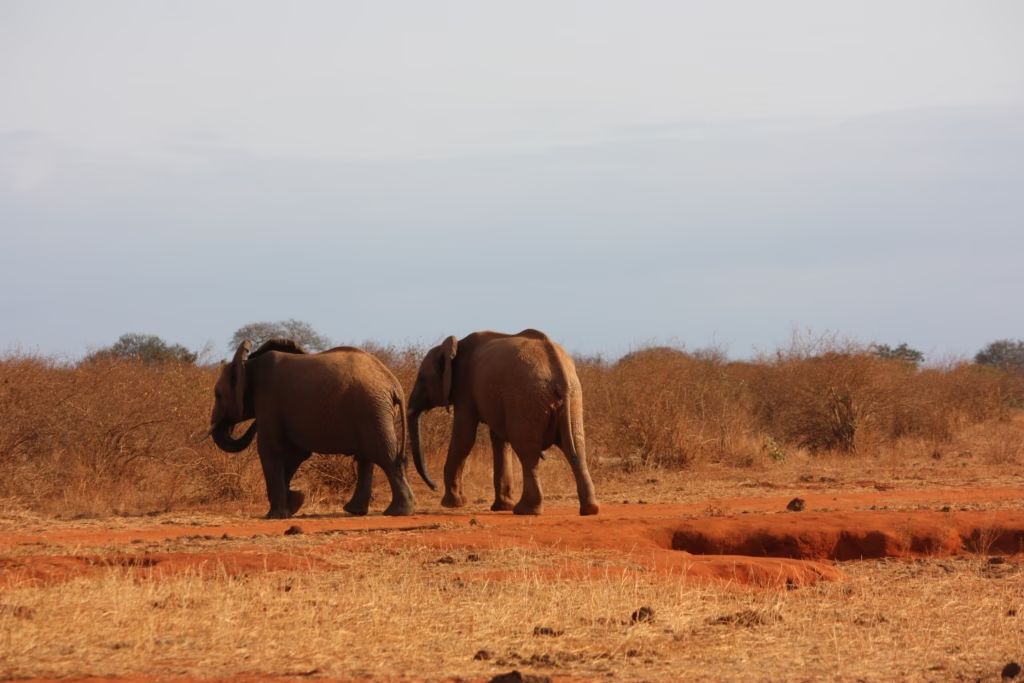
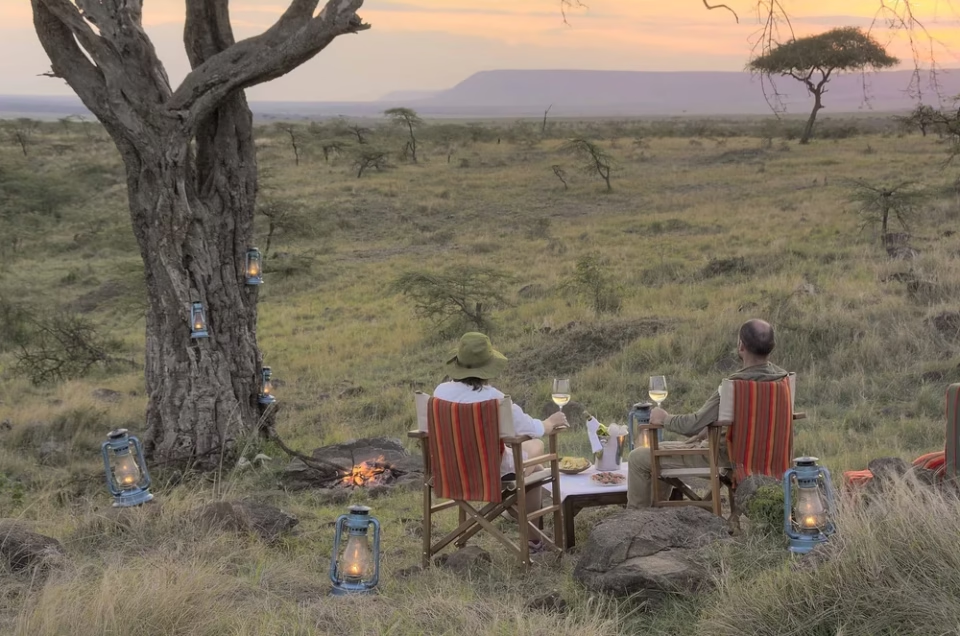
Wildlife is present but more dispersed than in the Mara, so sightings feel intimate. Tsavo is ideal for travellers who value solitude, big landscapes and the feeling of classic East African wilderness without the crowds.
Kitui
Kitui means “the place where iron goods are made.” For generations, the Kamba people have been renowned ironsmiths, and traces of that craft and trading culture still run through the region with ironwork craft for sale on the side of the road or in shops. Today the highlight for visitors to the region is the dramatic geology: towering rock outcrops such as the legendary Nzambani Rock (around 183 m high), sharp ridges, inselbergs and scenic trails that open onto sweeping views of the Yatta Plateau and beyond. This is the perfect landscape for hikers and trail runners.
Hiking and scrambling these formations deliver solitude and spectacular views. Combine the trails with visits to local markets, cultural centres and the quieter game reserves (South Kitui, Mwingi and parts of Tsavo East that fall within the county) for a genuine sense of discovery far from the main tourist circuits.
Lake Victoria’s Islands
While most visitors never leave the mainland, the islands of Lake Victoria offer a completely different side of Kenya…
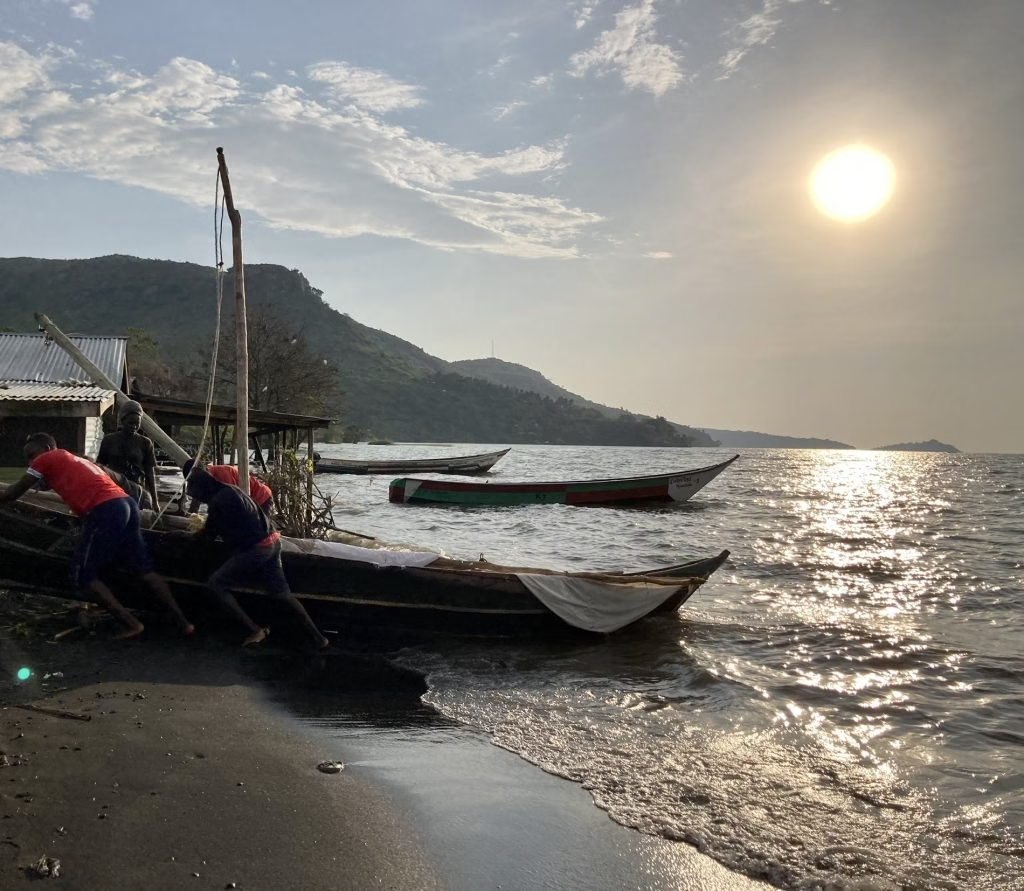
- Mfangano Island rises dramatically from the water with steep hills and sacred forests. It is known for its ancient rock art. Beautiful concentric circles and geometric patterns painted in red, white, and black. The artwork is attributed to the Twa (Batwa) hunter-gatherers and is estimated at 1,000–4,000 years old. Sites such as Mawanga Cave and Kwitone still carry cultural significance for the local Abasuba community. Guests staying on the island can also enjoy cycling, fishing, and soaking up village life.
- Rusinga Island, linked by a causeway is known for its history. Tom Mboya (a key independence-era leader) was born here. His mausoleum and small museum in Kasawanga Village display photos, personal items, and information about his life and legacy. Rusinga is also world-famous for Miocene fossils (around 18 million years old). Louis and Mary Leakey worked here and discovered important early primate fossils (including Proconsul). Some sites near Rusinga Island Lodge can be visited on guided walks.
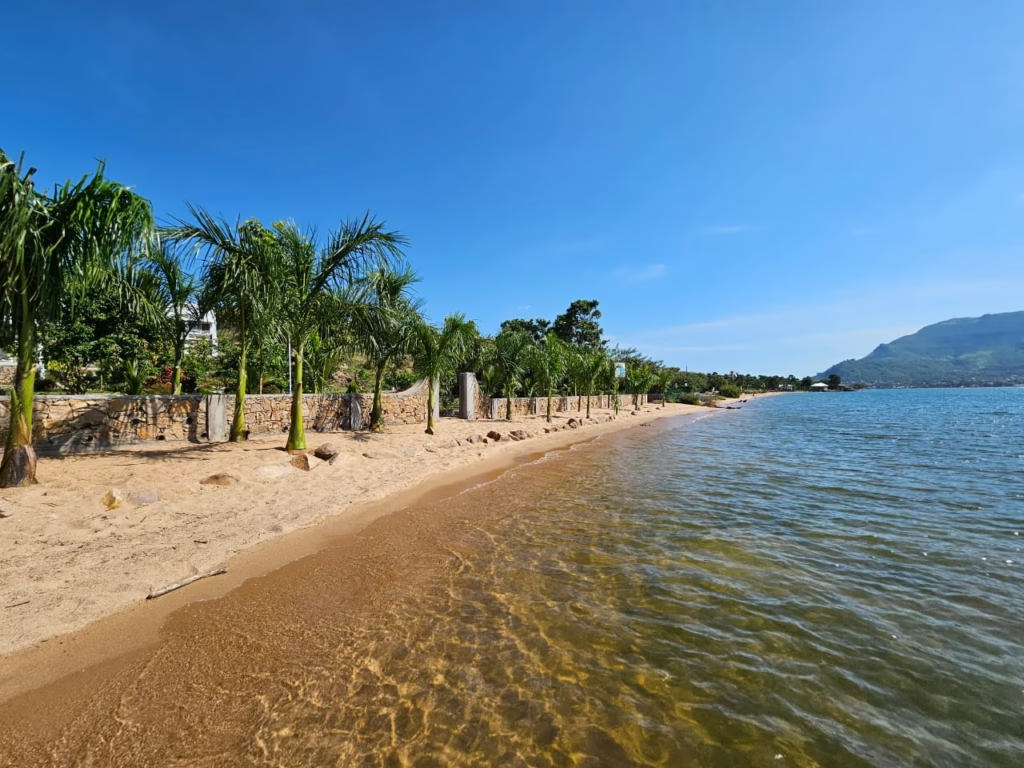
- Takawiri Island surprises with white-sand beaches and clear, calm water, creating an unexpected freshwater paradise. Swimming, kayaking, boat trips are the main activities. It’s the perfect spot to relax and simply watch the sunrise or sunset over the lake.
Samburu
Samburu seems like a stark contrast to the Mara. Instead of open grasslands you find semi-arid scrub, red earth, rocky outcrops, doum-palm riverine forest along the Ewaso Nyiro, and a sense of remote northern frontier.
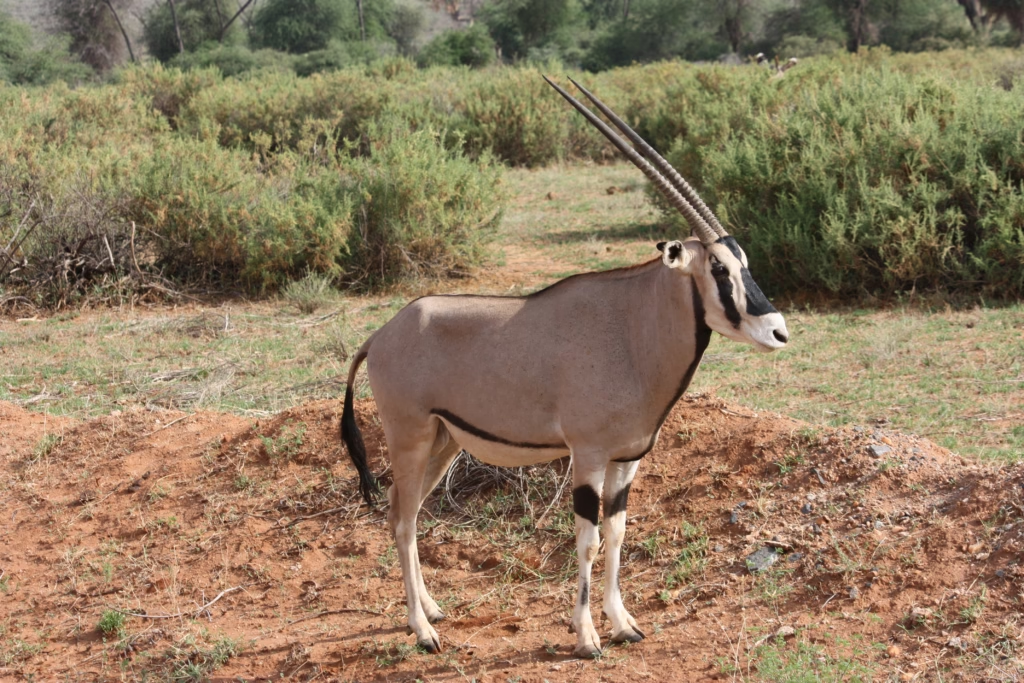
The wildlife signature is the “Special Five”: Grevy’s zebra, reticulated giraffe, gerenuk, Beisa oryx and Somali ostrich—species adapted to dry country and rarely (or never) seen in the south. Big cats are present and often rewarding; the lower vehicle density means longer, more private sightings.
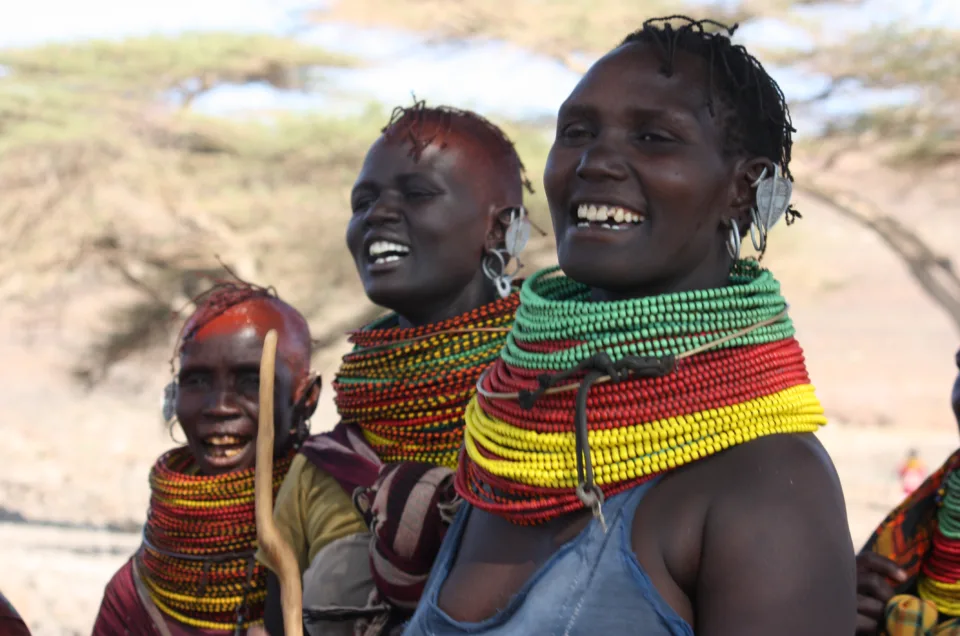
The Samburu people, pastoralists closely related to the Maasai yet distinct in dress, beadwork and dialect, add a powerful cultural dimension. Authentic manyatta visits, guided walks with local trackers and evenings of storytelling give the place a living human context that many southern parks have lost.
Turkana Community Conservancies
Here the focus is conservation by the people who live there. Northern Kenya’s community conservancies show what happens when local people own and manage the land. Two stand-outs:
Sera Conservancy was founded in 2001 by Samburu, Rendille and Turkana communities who came together to end cycles of conflict and protect their shared rangelands. It is now a model of community-led conservation. In 2015 the community established East Africa’s first community-owned rhino sanctuary, reintroducing black rhinos (and later white rhinos) to an area from which they had disappeared. Visitors can track rhinos on foot with local guides and rangers, search for elephants, lions, Grevy’s zebra and reticulated giraffe, camp in true wilderness, and support livelihoods through tourism and enterprise programmes. The conservancy also works on peace-building, rangeland restoration and community development.
Lorogon Community Conservancy (established 2019 in Turkana County, covering roughly 15,000 acres) focuses on wildlife monitoring, anti-poaching and charcoal-control patrols, tree planting, community outreach and river clean-ups. Species recorded include elephant, leopard, buffalo, lesser kudu and pangolin. It sits in a historically challenging border area and contributes to both conservation and local security. Visits are low-key and community-focused, perfect for travellers interested in grassroots conservation rather than polished lodge tourism.
These conservancies offer the chance to see wildlife in landscapes managed by the people who have lived with it for generations, and to contribute directly to their future.
Why These Places Matter
The tourist crowds diminish the sense of discovery. In these areas and conservancies, you can still experience Kenya on its own terms. From its dramatic geology and living cultural traditions to special wildlife and genuine community partnerships. You will return with stories that feel personal rather than collective.
Adventure Expeditions designs journeys into these quieter corners. Speak to us about adding one of these regions if you want the Kenya that still feels wild and welcoming; these are the places to start.








 +254-722-338 514
 +254-702-183 169